Festivals
This project is a position paper arguing that arts festivals should prioritise community-centred development over tourism-driven and city-branding-oriented models. While tourism can generate economic benefits and increase cultural visibility, such gains are often unevenly distributed and may be accompanied by social, environmental and cultural costs for local communities. The paper examines how tourism-oriented programming can commercialise local traditions, limit meaningful participation and privilege external audiences over local cultural needs. In contrast, community-centred approaches can strengthen cultural identity, social connection and long-term sustainability by expanding local participation and redistributing decision-making power.
This page collects several case studies of festivals all around the world, showing how those community-centred cases reduce barriers to participation, involving residents earlier in governance processes, supporting local artists and businesses, and broadening evaluation criteria beyond visitor numbers and economic impact. It concludes that community-centred development does not require rejecting tourism, but rather balancing economic viability with meaningful local participation, cultural representation and long-term community benefit.
01/ Edinburgh Festivals
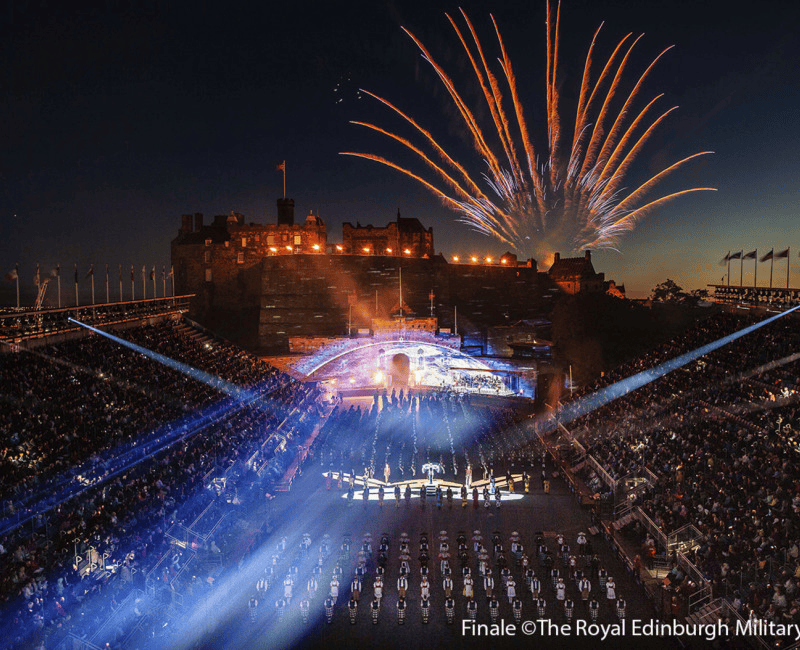
https://www.edinburghfestivalcity.com/
02/ UNTOLD Festival
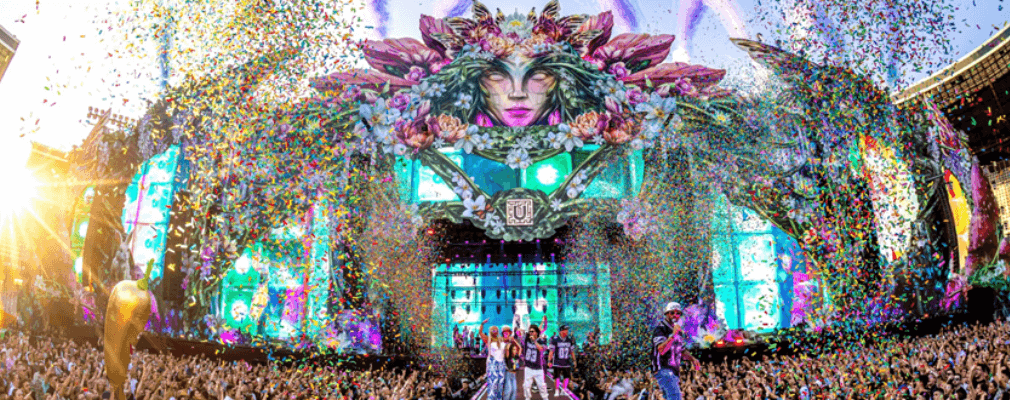
https://untold.com/
03/ Yunnan Water-Splashing Festival/云南傣族泼水节
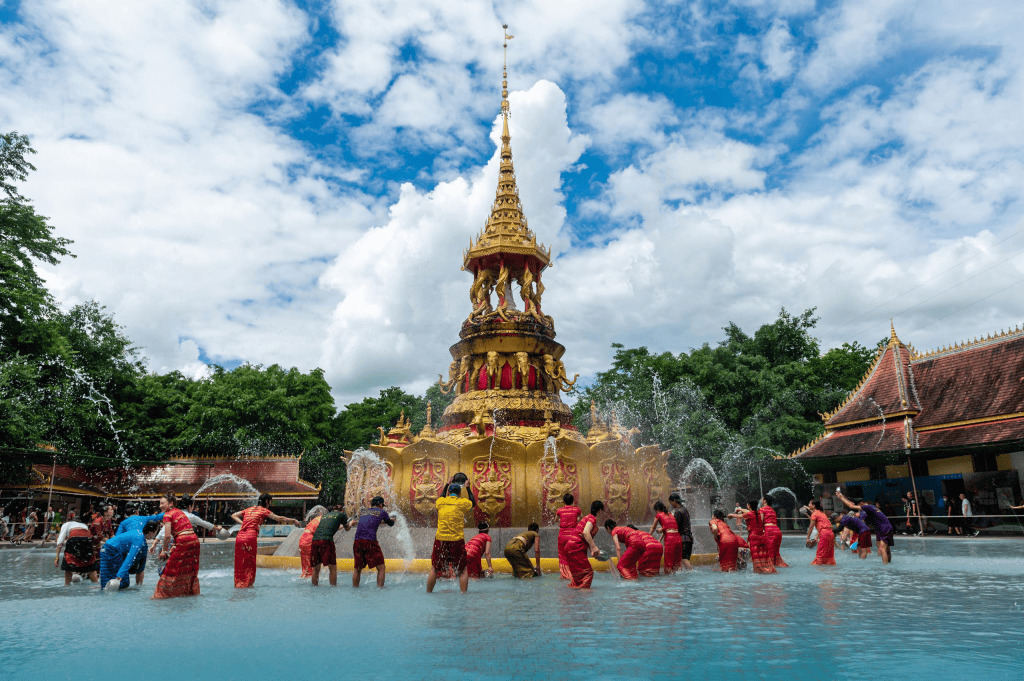
https://www.visityunnanchina.com/culture/seasonal-events-festivals/water-sprinkling-festival
04/ Galway International Arts Festival
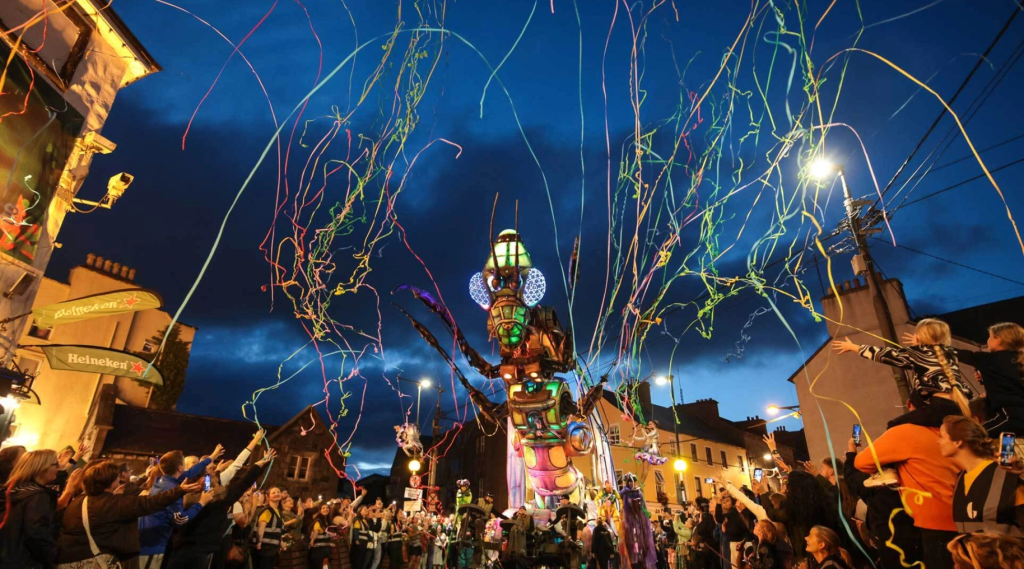
https://www.giaf.ie/
05/ Wajima Abalone Festival/輪島あわびまつり
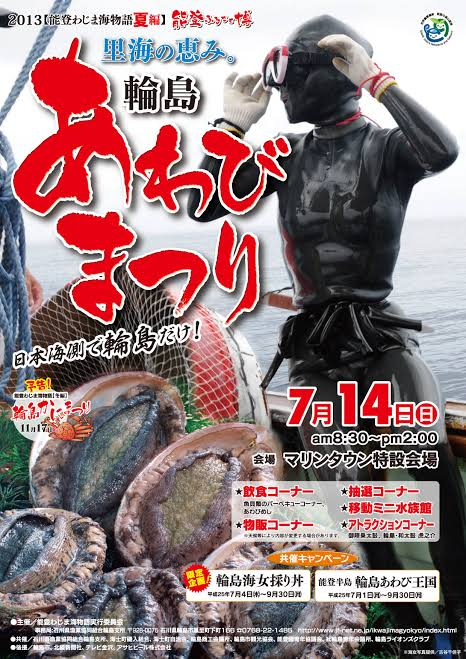
https://www.ikgyoren.jf-net.ne.jp/event/awabimatsuri.html
06/ Art Field Nanhai/广东南海大地艺术节
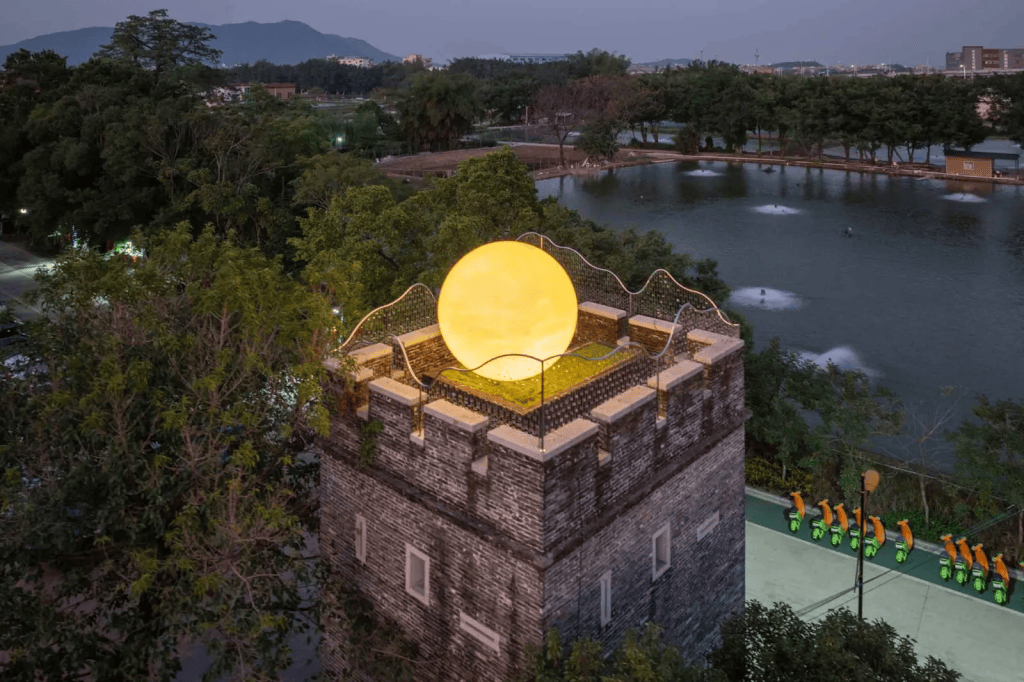
https://www.foshannews.net/h/3668/20230221/583010.html
07/ Wintersun Festival
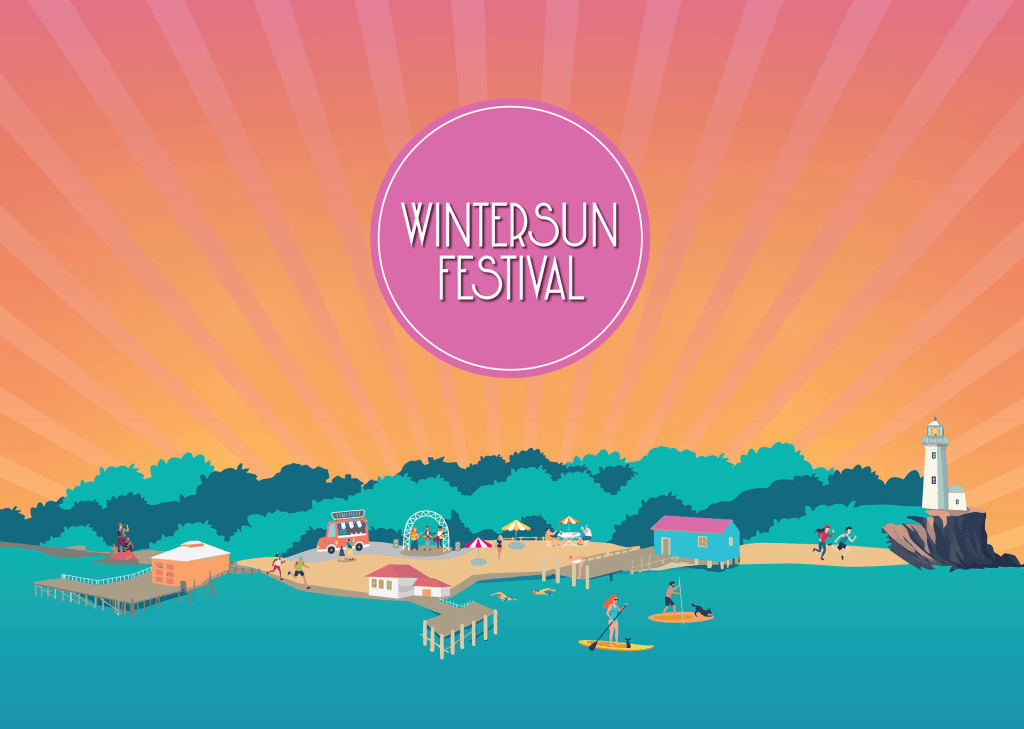
https://www.coolyrockson.com/
08/ Chuncheon Puppet Festival/춘천인형극제
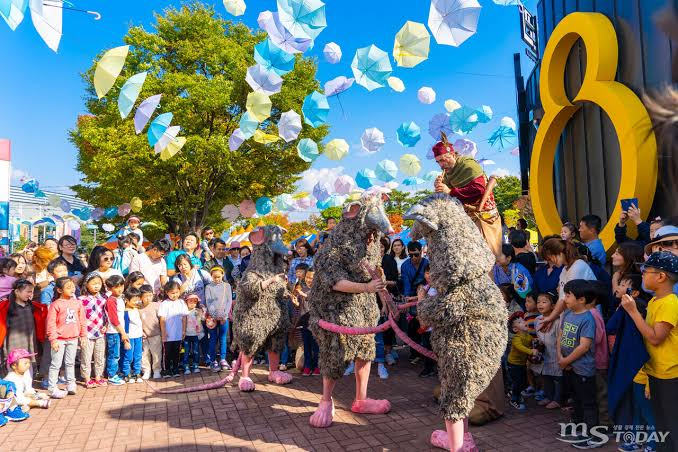
http://www.cocobau.com/kr
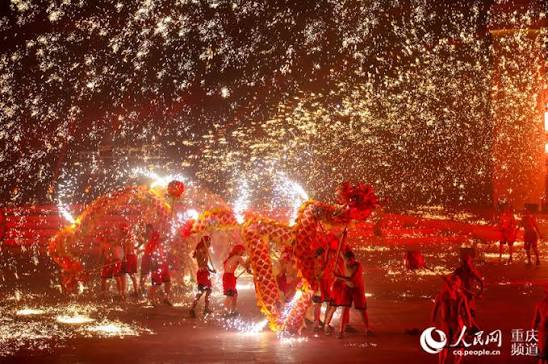
09/Chongqing Tongliang Dragon Lantern Art Festival/重庆铜梁龙灯艺术节
References
- Creative Australia. (2026). Creative transformations: Results of the National Arts Participation Survey. https://creative.gov.au/research/creative-transformations-results-national-arts-participation-survey
- China Association of Performing Arts. (2025). 2024年全国演出市场简报 [2024 national performing arts market report]. https://news.china.com.cn/2025-01/18/content_117671899.shtml
- Quinn, B. (2005). Arts Festivals and the City. Urban Studies, 42(5/6), 927–943. https://doi.org/10.1080/00420980500107250
- Jamieson, K. (2004). Edinburgh: The Festival Gaze and Its Boundaries. Space and Culture, 7(1), 64–75. https://doi.org/10.1177/1206331203256853
- Long, P. T., & Perdue, R. R. (1990). The Economic Impact Of Rural Festivals And Special Events: Assessing The Spatial Distribution Of Expenditures. Journal of Travel Research, 28(4), 10–14. https://doi.org/10.1177/004728759002800403
- Moisescu, O. I., Gică, O. A., Coroș, M. M., & Yallop, A. C. (2019). The UNTOLD story: Event tourism’s negative impact on residents’ community life and well-being. Worldwide Hospitality and Tourism Themes, 11(5), 492–505. https://doi.org/10.1108/WHATT-06-2019-0036
- Baldin, A., Bertocchi, D., & Camatti, N. (2025). Crowding-in and (temporary) crowding-out in Venice. The effect of cultural events on residents. Tourism Economics : The Business and Finance of Tourism and Recreation, 31(5), 984–1005. https://doi.org/10.1177/13548166241233773
- Ma, L., & Lew, A. A. (2012). Historical and geographical context in festival tourism development. Journal of Heritage Tourism, 7(1), 13–31. https://doi.org/10.1080/1743873X.2011.611595
- Thelen, T., & Kim, S. (2024). Towards social and environmental sustainability at food tourism festivals: Perspectives from the local community and festival organizers. Tourism Management Perspectives, 54, Article 101304. https://doi.org/10.1016/j.tmp.2024.101304
- Zhong, D., Pan, J., Li, R., & Luo, Q. (2026). Let residents interpret the artwork: connecting art and local communities by sharing local knowledge at rural art festivals. Journal of Sustainable Tourism, 34(4), 1083–1107. https://doi.org/10.1080/09669582.2025.2537767
- Bennett, A., & Woodward, I. (2014). Festival spaces, identity, experience and belonging. In A. Bennett, J. Taylor, & I. Woodward (Eds.), The festivalization of culture (pp. 11–22). Ashgate.
- Ahn, Y., Kang, E. M., Kiatkawsin, K., & Zielinski, S. (2023). Relationships between Community Festival Participation, Social Capital, and Subjective Well-Being in a Cross-Cultural Context. Healthcare (Basel), 11(16), 2361. https://doi.org/10.3390/healthcare11162361
- Brownett, T. (2018). Social capital and participation: The role of community arts festivals for generating well-being. Journal of Applied Arts & Health, 9(1), 71–84. https://doi.org/10.1386/jaah.9.1.71_1
- Li, X., Kim, J. S., & Lee, T. J. (2021). Contribution of Supportive Local Communities to Sustainable Event Tourism. Sustainability, 13(14), 7853. https://doi.org/10.3390/su13147853
- Guillard, S., & McGillivray, D. (2022). Eventful policies, public spaces and neoliberal citizenship: Lessons from Glasgow. Cities, 130, Article 103921. https://doi.org/10.1016/j.cities.2022.103921

